Location
Uttarakhand, India
Average Trekking
24 km
Duration
5 Days
Difficulty
Easy to Moderate
Altitude
13,200 ft
Uttarakhand, India
24 km
5 Days
Easy to Moderate
13,200 ft

Easy to Moderate

13,200 Ft

Treks

5 Days

Uttarakhand | India

Hotel / Camp
01
02
03
04
06
01 Fri
29 Fri
01
02
03
04
05
01 Sun
29 Sun
01
02
03
04
05
01 Wed
29 Wed
01
02
03
04
01 Sat
01
02
03
04
05
01 Sat
29 Sat
Trek Name: Gulabi Kantha Trek
Days: 5 Daysc
Adventure Type: Trekking
Base Camp: Baraot
Season: Winter |
Month: January | December |
Distance: 24 km (approx.)
Trail Type:Meadows, Forests & Himalayan Villages
Country: India
Location : Uttarakhand
Altitude: 13,200 ft
Grade:Easy to Moderate
Stay: Guest house and Camping (twin sharing)
Food: Meals while on trek & at Hotel/Guesthouse (Veg & Eggs)
An offbeat trail in Uttarkashi, the Gulabi Kantha Trek offers stunning Himalayan views of Bandarpunch and Kala Nag peaks. Covered with wildflowers in summer and snow in winter, the route through oak and rhododendron forests ensures a serene and refreshing experience.
Unexplored & Peaceful: A lesser-known trail that offers solitude, pristine landscapes, and raw mountain charm.
Physical Fitness :The Chadar Trek is physically demanding. Prepare with cardiovascular exercises, strength training, and endurance-building activities.
Acclimatization :
Spend a couple of days in Leh to acclimatize to the high altitude before starting the trek to avoid Acute Mountain Sickness (AMS).
Layering : Wear multiple layers of clothing to adjust to varying temperatures. Avoid cotton as it retains moisture and can cause hypothermia.
Hydration : Stay hydrated, even if you don’t feel thirsty. The cold can dehydrate you without noticeable symptoms.
Follow the Guide’s Instructions : The terrain and conditions can be unpredictable. Listen carefully to your guide and follow their instructions for your safety.
Use Proper Footwear : Gumboots are necessary to prevent slipping on the ice. Ensure they are of good quality and fit well.
Keep Electronics Warm : Cold temperatures can drain batteries quickly. Keep cameras and phones close to your body to preserve battery life.
Emergency Situations :Be prepared for emergencies. The trek is remote, and evacuation can be challenging. Carry a satellite phone or ensure your group has one.
Environmental Considerations : Practice “Leave No Trace” principles. Do not litter, and be mindful of the delicate environment.
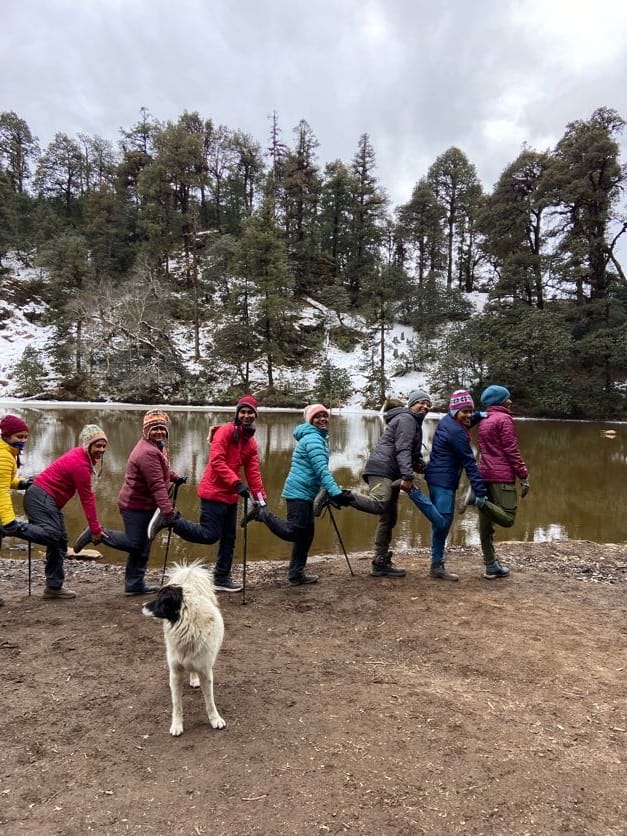
Nestled in the serene Garhwal Himalayas of Uttarakhand, Gulabi Kantha Trek is a hidden paradise still untouched by the usual trekking crowds. The name “Gulabi Kantha” literally means Pink Ridge, inspired by the mesmerizing pink and purple wildflowers that bloom across its vast meadows during spring and summer.
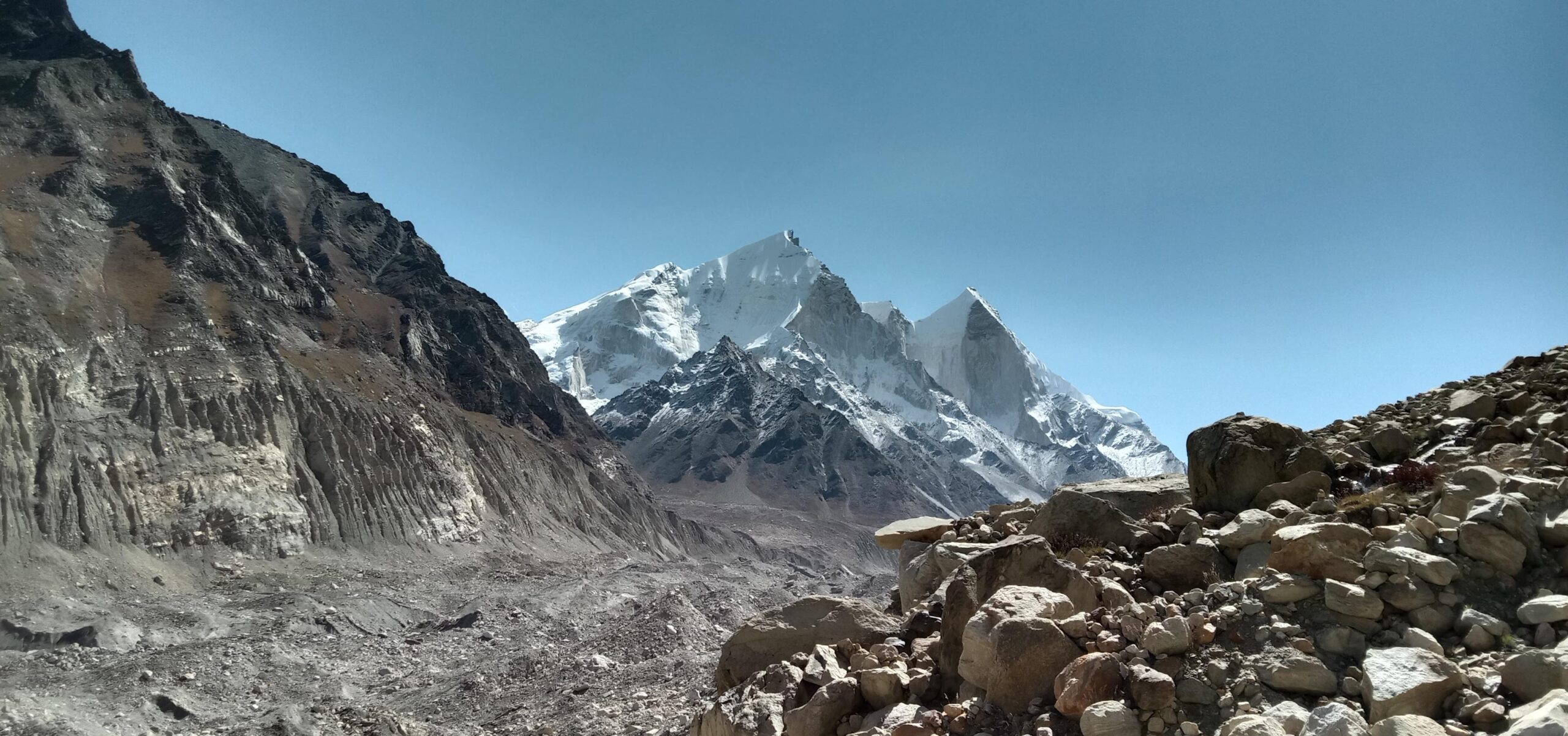
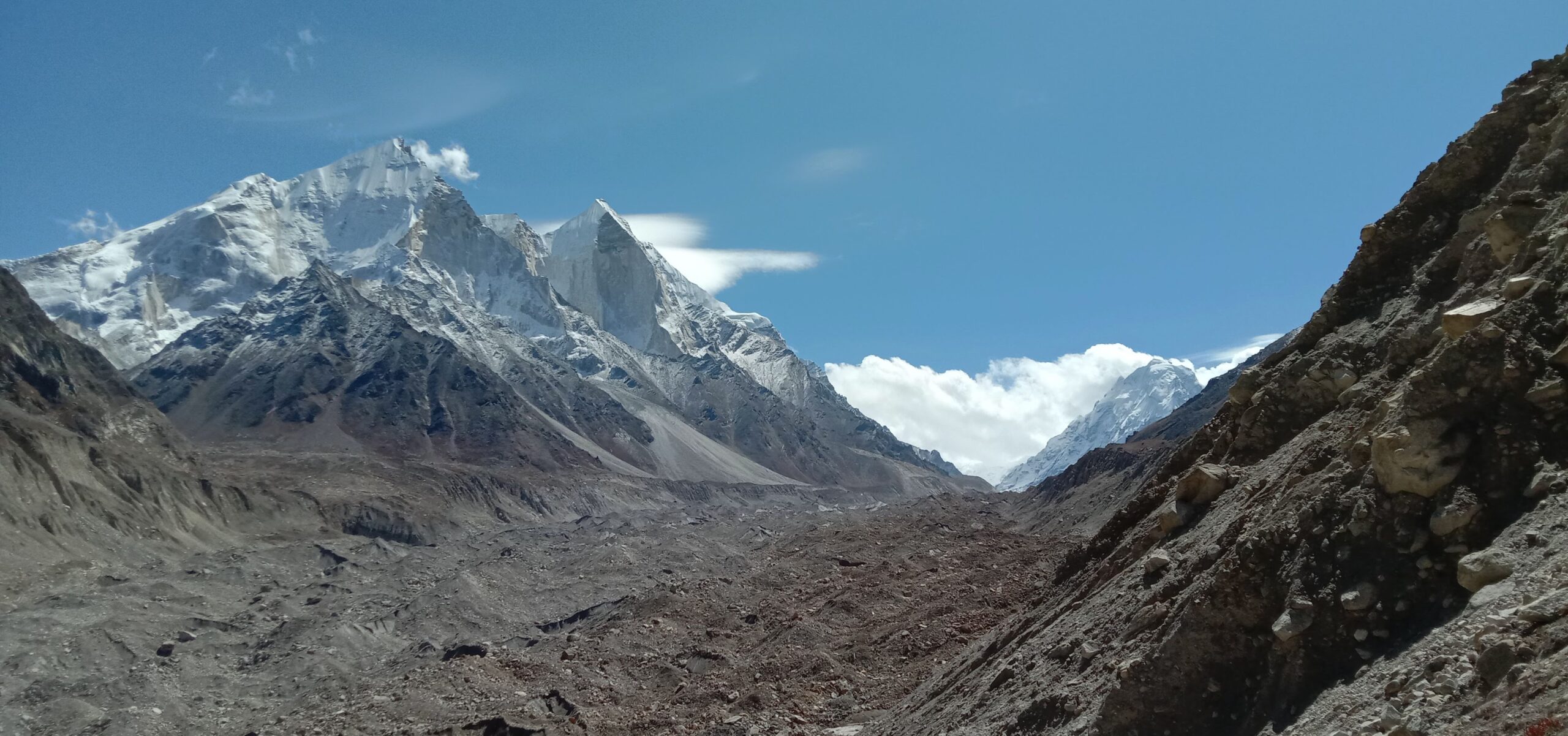
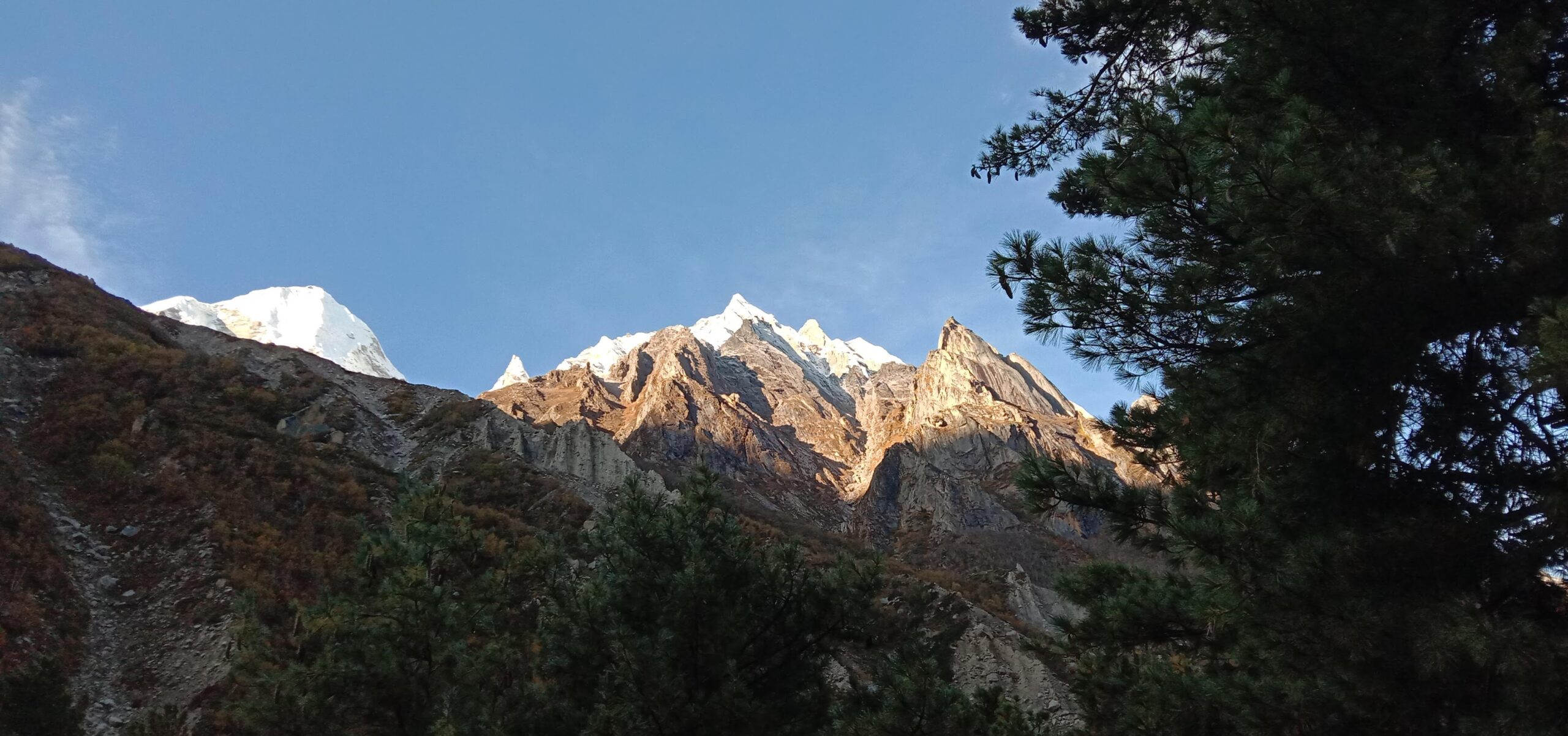
This high-altitude meadow trek takes you through dense forests of oak, maple, and rhododendron, charming villages like Nishni, and open grasslands like Seema Thatch — all while offering spectacular 360° views of Himalayan giants such as Swargarohini, Bandarpunch, Mt. Jaonli, Gangotri Massif, and Srikanth.
If you are looking for a peaceful and colorful Himalayan adventure away from the crowds, Gulabi Kantha Trek is the perfect choice.
The best time to do the Gulabi Kantha Trek depends on what kind of beauty you want to experience:
Each season brings a different charm to Gulabi Kantha, making it a year-round trekking destination for nature lovers.
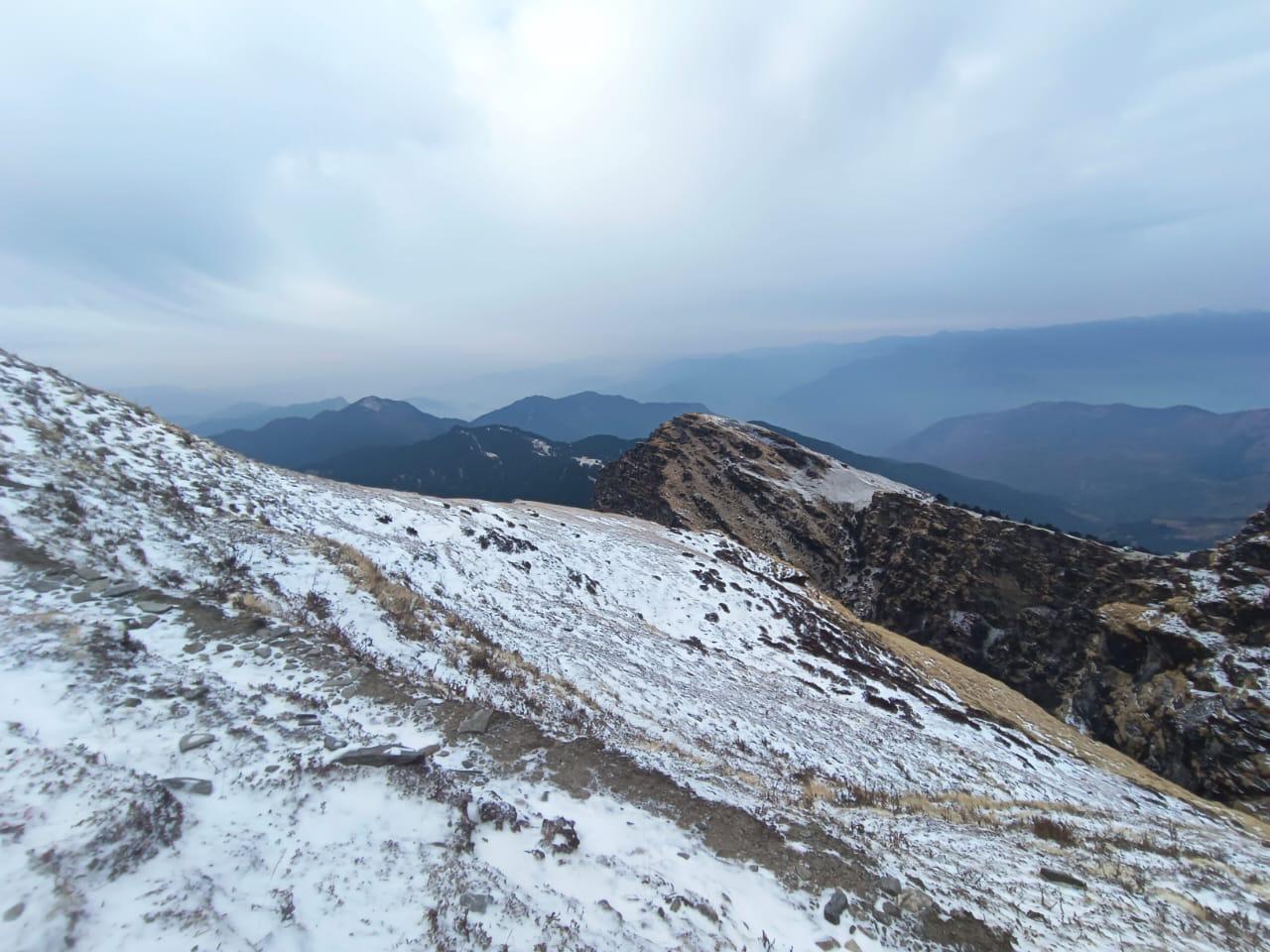
Gulabi Kantha Trek is rated easy to moderate, making it suitable for beginners as well as experienced trekkers. The trail involves gradual ascents through forests and meadows, with the summit offering a rewarding panoramic view of the Garhwal Himalayas.
Average trekking distance: 24–26 km (round trip)
Maximum altitude: Approx. 12,000 ft (3,658 m)
With proper fitness and preparation, even first-time trekkers can comfortably complete this beautiful trek.
A traditional Himalayan village showcasing the simple lifestyle of the Yamuna Valley. Admire the wooden homes, ancient temples, and the warmth of local hospitality.
A peaceful hamlet surrounded by farmlands where locals grow potatoes, millets, and kidney beans. These small seasonal huts reflect the agricultural roots of the region.
Between Kandola Chhani and Seema Thatch lies a serene forest of oak, maple, and rhododendron. The shaded walk is filled with the fragrance of wildflowers and songs of mountain birds.
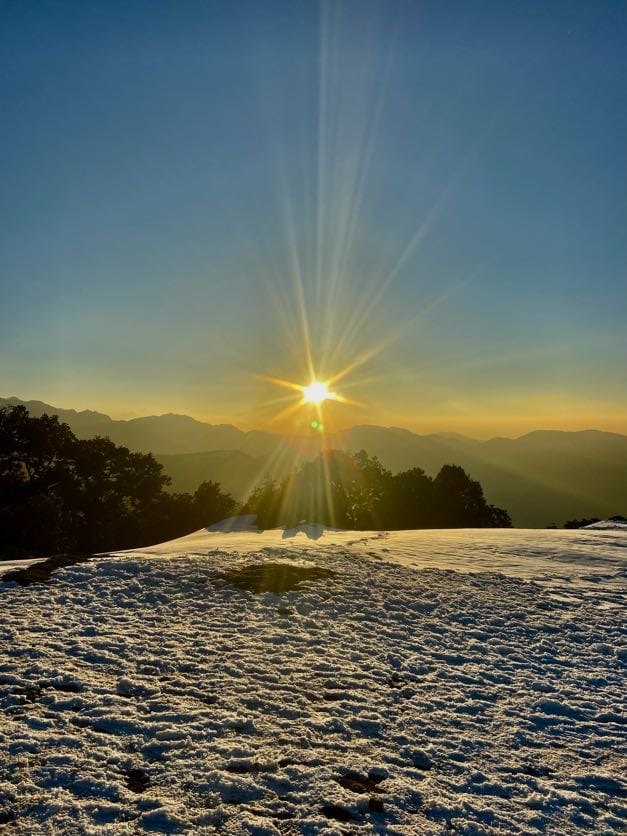
A vast alpine meadow offering panoramic sunrise and sunset views. The meadow changes color with the season — green in summer, golden in autumn, and snow-white in winter.
The highlight of the trek! This high-altitude meadow glows in pink and purple shades during the blooming season. From the summit, trekkers can enjoy spectacular views of Swargarohini, Bandarpunch, Gangotri Massif, Mt. Jaonli, and other snow-clad peaks.
Unlike popular treks that see heavy footfall, Gulabi Kantha remains one of Uttarakhand’s most offbeat and unexplored trails.
Every step reveals a new shade of color — from wildflower valleys to golden sunsets.
If you’ve already explored famous trails like Kedarkantha or Dayara Bugyal, Gulabi Kantha is your next must-do adventure. Its untouched meadows, blooming trails, and lesser-known charm make it one of the most underrated Himalayan treks in Uttarakhand.
Discover this colorful paradise with The Mountain Vibes — where every trek feels personal, peaceful, and pure.
CHADAR TREK PACKAGE
Batch – November – 2023
Batch – December – 2023
Batch – January – 2023
Altitude: 2,100 m / 6,800 ft
Drive Distance: 180 km | Approx. 6–7 hrs
Accommodation: Guesthouse / Homestay
Your journey begins from Dehradun, driving through picturesque mountain roads alongside the Yamuna and Tons rivers. Pass through Mussoorie, Nainbagh, and Barkot before reaching Hanuman Chatti, a serene base village surrounded by the Garhwal Himalayas. Rest and prepare for the trek starting the next morning.
Altitude: 2,700 m / 8,900 ft
Trek Distance: 5 km | 4–5 hrs
Accommodation: Campsite
Begin your trek with a gentle ascent through dense oak and pine forests. The trail opens into lush meadows with spectacular views of snow-clad peaks. Reach Kandola Chhani, a peaceful meadow that serves as your first campsite. Enjoy a warm meal under the starry night sky.
Altitude Gain: 2,700 m / 8,900 ft → 3,474 m / 11,400 ft
Trek Distance: 6 km | 6–7 hrs
Accommodation: Campsite
Trek through alpine ridges and rhododendron forests leading up to Seema Thatch, a beautiful open meadow offering breathtaking views of Bandarpoonch, Kala Nag, and other Garhwal peaks. This is one of the most scenic campsites on the trail.
Altitude:Seema Thatch: 3,474 m / 11,400 ft
Gulabi Kantha Summit: 4,000 m / 13,200 ft
Kandola Chhani: 2,700 m / 8,900 ft
Trek Distance:Seema Thatch → Gulabi Kantha Summit and back: 6 km | 6 hrs (both ways)Seema Thatch → Kandola Chhani: 6 km | 4 hrsBegin your summit day early to witness the first rays of sun touching the Himalayan ranges. The trail to Gulabi Kantha offers 360° panoramic views of Bandarpoonch, Swargarohini, and Kedarkantha peaks. After spending some time at the summit, descend back to Kandola Chhani for the night.
Altitude:
Kandola Chhani: 2,700 m / 8,900 ft
Hanuman Chatti: 2,100 m / 6,800 ft
Trek Distance: 5 km | 3–4 hrs
Drive Distance: 180 km | 6–7 hrs
Descend to Hanuman Chatti, relishing your final views of the valley. From here, drive back to Dehradun, marking the end of your Gulabi Kantha trekking experience.
Pulse rate at rest must be in between (60 to 90 beats per minute).
Blood Pressure Reading must be in between (DIASTOLIC 70 – 90, SYSTOLIC 100 – 140 mm Hg).
Respiratory rate at rest must be in between (12 to 20 breaths per minute).
Should not have Liver and kidney issues.
Should not have Diabetes Mellitus, Bronchial Asthma, Heart problems, Hypertension, etc.
No pacemaker implant.
People with Sinus issues, Epilepsy please contact to trek coordinator before booking the trek.
If your BMI is not normal, Please contact our Trek coordinator before Trek booking.
It is essential for everyone to arrive at Leh (01:00 pm)
The only way to travel is to fly to Kushok Bakula Rimpochi Airport located in Leh. It is just 4 km away from the main city. The airport is well connected to Delhi and also receives flights from Mumbai, Srinagar, Jammu, Chandigarh and other general destinations in India. Even international travellers can fly directly from major cities like Kolkata, Mumbai and Delhi.
It’s quite convenient to secure a cab from outside the airport to reach our hotel. Alternatively, you can inform your coordinator to arrange a cab for you. Upon booking the trek, your trek coordinator will furnish you with the hotel details.
Travelling by both the road routes, the Manali-Leh Highway and Srinagar-Leh Highway, is not possible since they are not open in the snowy winters of Ladakh.
The Manali-Leh and Srinagar-Leh highways are generally closed by October-November
For your return journey from Leh, you have to choose only air transport options. Please ensure an early check-out in the morning, as all flights operate during the morning hours.
It’s highly advisable to keep 2 buffer day in your travel plan. If the buffer day is not needed, it can be used to explore Leh.
We get that a travel and adventure enthusiast like you will be as bumped about cancelling a trek as us but we also understand that you may have to cancel the trek for any unforeseen reason and therefore the Cancellation Service of The Mountain Vibes does not return the advance amount paid by the trekkers instead we provide a voucher for the exact amount which is equivalent to the amount paid by you.
_______________________________________________________________________________________________________________________
Terms & Conditions for the cash voucher:
| Backpack with rain cover | (50 – 60 ltr) with comfortable shoulder straps |
| Day pack with rain cover | 20 – 30 ltr (If off-load opted) |
| Walking stick | Advisable (At least one) |
| Water Bottle / Hydration pack | 2 bottles of one liter each, People who use hydration pack 1 hydration pack and 1 bottle of one liter, Carry at least one thermos flask. |
| Small size tiffin/lunch box | 1 Nos |
| Snacks | Energy bars, dry fruits, electoral/ors |
| Personal Medical Kit | Consult your doctor |
| T-Shirt (Synthetic quick dry) | 1 Full & 2 Half sleeves |
| Fleece T-shirt | 1 Nos |
| Wind stopper / Fleece jacket | 1 Nos |
| Windproof Jacket | 1 Nos |
| Down feather / Hollow jacket | 1 Nos |
| Thermal inner (Upper and Lower) | 1 Pair |
| Trek Pant (Synthetic quick dry) | 2 Nos |
| Wind stopper / Fleece Pant | 1 Nos |
| Waterproof gloves | 1 Pair |
| Fleece / woollen gloves | 1 Pair |
| Poncho / waterproof Jacket and pant | 1 Nos |
| Head torch | 1 Nos. (Avoid Hand torch) |
| Sun Cap | 1 Nos |
| Woolen cap | 1 Nos. |
| Balaclava | 1 Nos. |
| Buff / Neck-gaiters | 1 Synthetic & 1 Woollen |
| Sunglasses | UV with dark side cover, People who wear spectacles – (A)- Use contact lenses | (B)- Photo chromatic glasses |
| Trekking shoes | 1 Pair (Waterproof, high ankle, good grip) |
| Floaters / flip-flops | 1 Pair |
| Cotton socks | 6 pairs |
| Woollen socks | 1 pairs |
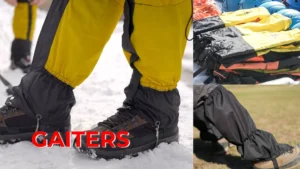
| Gaiters | 1 Pair (TTH provides when required) |
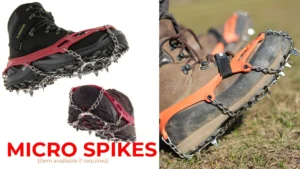
| Micro spikes | 1 Pair (TTH provides when required) |
| Sunscreen | 1 Nos |
| Moisturiser | 1 Nos |
| Chap-stick / Lip balm | 1 Nos |
| Toothbrush and toothpaste | 1 Nos |
| Toilet paper & Wipes | 1 Nos |
| Soap / hand sanitizers | 1 Nos |
| Antibacterial powder | 1 Nos |
| Quick dry towel | 1 Nos |
• An identity card-original (MANDATORY)
• Bagpack and Rain cover(50-60 liter )
• Day pack And Rain cover (if you hire mule or porter)
• 1liter of Water Bottle
•Slipper and TrekKing Shoes (Waterprof is Preferred)
•LED Torch/Headlamp(With extra batteries)
•Poncho, Raincoat or Umbrella any one is must.(Poncho is preferred, since it is light weighted)
• 2 pairs of Quick Dry T-shirt and Trek Pants (DENIM ARE NOT RECOMMENDED FOR TREKS)
• 1 pairs of T-SHIRTS for (Full Sleeves or Half Sleeves)
• 3 Pair of Cotton Socks And 2 Pair of Woollen Socks
• 2 weater OR 1 Fleece Jacket
• Thermals (1 is must 2 if going on a long trek)
• Sun Cap, Scarf, Light Towel, Snow Gloves
• Woolen Cap or Balaclava that cover Your ears (For the protection from coldwaves)
• UV sunglasses
• Carry few plastic bags incase your clothes get wet.
• Wind sheeter, Snow Jackets, One Down Feather Jacket (Carry any one from the mentioned)
• Personal Toilet kit, Toilet Paper, Sanitizer, Tooth Brush and Paste
• Lip balm , Cold Creame , Mistiriser and Sun Screen Lotion(SPF 40)
•Personal Medicine Kit (With basic First Aid kit and your regular medicine)
•Anti Fungal Creame : Carry an Anti Fungle Creame if you are sensitive to Sweating and prone to skin irritations around genital or groin area due to lack of bathing.
| Sunscreen | 1 Nos |
| Moisturiser | 1 Nos |
| Chap-stick / Lip balm | 1 Nos |
| Toothbrush and toothpaste | 1 Nos |
| Toilet paper & Wipes | 1 Nos |
| Soap / hand sanitizers | 1 Nos |
| Antibacterial powder | 1 Nos |
| Quick dry towel | 1 Nos |




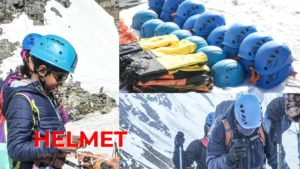
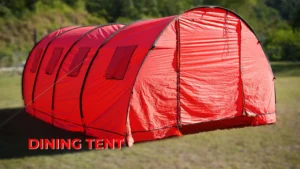
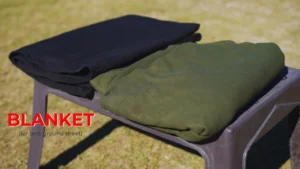
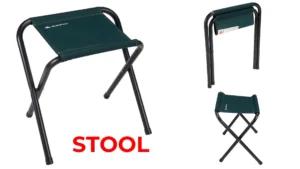
The Chadar Frozen River Trek is a popular winter trek in the Indian state of Jammu and Kashmir. It involves walking on a frozen river, the Zanskar River, which is transformed into a thick sheet of ice during the winter months. The trek is known for its scenic beauty and challenging terrain, as well as the unique experience of walking on a frozen river.
The best time to do Chadar Frozen River Trek is during the months of January and February when the river is frozen enough to support the weight of trekkers.
Chadar Trek Frozen River is a Difficult Grade Trek.
It is an 8 days long trek.
Yes, altitude-related concerns can be a factor on the Chadar Frozen River Trek. The trek starts at an altitude of around 3,300 meters and reaches a maximum altitude of approximately 3,850 meters. While this may not be extremely high, it is still significant enough to cause altitude-related issues for some trekkers.
Altitude sickness, also known as acute mountain sickness (AMS), is a common concern on the Chadar Trek. Symptoms of AMS can include headache, nausea, dizziness, and shortness of breath. Trekkers can take several precautions to avoid AMS, such as acclimatizing properly, drinking plenty of fluids, and taking necessary medications.
It is also essential to be aware of frostbite and hypothermia, which can occur due to exposure to cold temperatures and wind on the trek. Trekkers should dress in layers, wear proper gear, and stay warm to prevent these conditions.
Overall, while altitude-related concerns are something to keep in mind, with proper preparation and caution, many trekkers are able to successfully complete the Chadar Frozen River Trek without any significant issues..
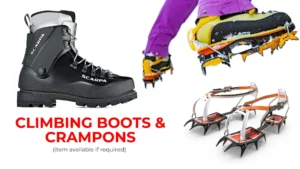
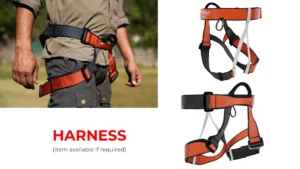
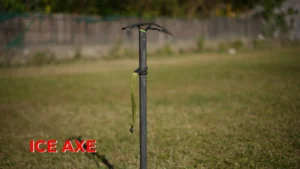
The Chadar Frozen River Trek is a challenging winter trek that requires specialized gear to ensure the safety and comfort of trekkers in extreme cold and icy conditions. Here are some essential gear items needed for the trek:
1. quality trekking boots with sturdy soles and good traction to provide adequate grip on slippery ice.
2. Warm and waterproof clothing, including thermal layers, fleece jackets, and down jackets, to keep you warm in sub-zero temperatures.
3. Waterproof gloves or mittens and socks to keep your hands and feet dry and warm.
4. A warm hat and a balaclava or a face mask to protect your face from the cold winds.
5. Sunglasses to protect your eyes from the glare of snow and ice.
6. Trekking poles to help maintain balance and stability on the icy terrain.
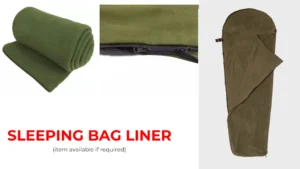
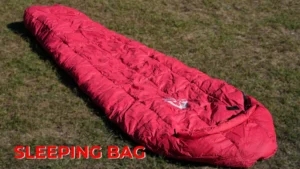
7. Sleeping bags are rated for sub-zero temperatures to ensure a good night’s sleep in the extreme cold.
8. Headlamp or flashlight with extra batteries to navigate in the dark.
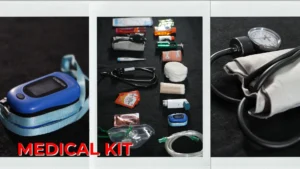
9. First aid kit including altitude sickness medication, pain relievers, and basic medical supplies.
10. Backpack with at least 60 liters capacity to carry all your gear and supplies.
During the Chadar Trek, TMV provides all meals, including breakfast, lunch, and dinner. The meals are prepared by a team of experienced cooks, who use fresh and locally sourced ingredients to provide nutritious and tasty food to the trekkers.
While prior trekking experience is not strictly necessary for the Chadar Frozen River Trek, it is highly recommended that trekkers have some level of physical fitness and experience with hiking or trekking in challenging terrain. The trek is considered to be a moderately difficult trek, and the icy conditions can make it even more challenging.
It is important to note that the Chadar Trek requires trekkers to walk on a frozen river, which can be slippery and unstable. Trekkers must also navigate through narrow gorges, steep canyons, and frozen waterfalls, which can be physically demanding. Therefore, it is recommended that trekkers engage in regular physical exercise and prepare themselves mentally and physically for the trek.
Additionally, trekkers need to be prepared to face extremely cold temperatures, which can drop to as low as -25 degrees Celsius at night. Therefore, it is essential to have appropriate gear and clothing to keep warm and protect against frostbite and hypothermia.
It is recommended that trekkers engage in regular physical exercise and prepare themselves mentally and physically for the trek.
Here are some specific physical fitness requirements for the Chadar Frozen River Trek:
1. Cardiovascular endurance: Trekkers need to have good cardiovascular endurance to tackle challenging terrain and high altitude. Regular cardio exercises such as running, cycling, or swimming can help improve endurance.
2. Strength training: Trekkers need to have strong leg and core muscles to maintain balance and stability on the icy terrain. Strength training exercises such as squats, lunges, and planks can help build these muscles.
3. Flexibility: Trekkers need to have good flexibility to prevent muscle strain and injuries. Regular stretching exercises such as yoga or Pilates can help improve flexibility.
4. Mental toughness: The Chadar Trek can be mentally challenging due to the extremely cold temperatures, long hours of walking, and unpredictable weather conditions. Trekkers need to be mentally prepared to face these challenges and stay motivated.
It is important to note that the physical fitness requirements for the Chadar Trek can vary depending on the individual’s age, health, and fitness level. It is recommended that trekkers consult with a doctor or a fitness trainer before embarking on the trek to assess their physical fitness and determine any necessary precautions or preparations.
It is highly recommended. The Chadar Trek is a challenging trek that requires specialized gear, experienced guides, and support staff to ensure the safety and well-being of trekkers. Hiring an expert trekking organization can provide many benefits, including safety, specialized gear and equipment, and logistics and support.
WhatsApp us